A 12 sqm HDB master bedroom with a Scandinavian rug often feels larger than it is — until humidity hits 80% and the fibres start to trap moisture. That’s why wool blends, with their natural resistance to mildew and ability to retain softness, have become the go-to for Singapore homeowners balancing hygge aesthetics with practicality. These rugs, typically priced between $1,200 and $2,400, offer durability without sacrificing the muted tones and clean lines that define Scandinavian design.
In compact layouts, oversized rugs can overwhelm the space, but a rug too small leaves the room feeling disjointed. For a master bedroom, a 1.5m x 2m rug placed under the lower two-thirds of the bed creates cohesion without dominating. In living rooms, where space is tighter, a 2m x 3m rug centred under the coffee table anchors the seating area while leaving enough floor exposed to maintain an airy feel.
Material choice matters almost as much as size. Wool blends, often paired with cotton or synthetic fibres, handle Singapore’s humidity better than pure wool while still delivering the texture and warmth that define hygge. Avoid jute or sisal — they’re prone to mould and can feel rough underfoot, a stark contrast to the cosy vibe most buyers are after.
Colour palettes lean towards soft greys, muted blues, and whites, but don’t shy away from sage greens or pale pinks for a subtle pop. These hues reflect natural light, making spaces feel brighter — a trick many homeowners overlook in their quest for minimalism. And while the neutral tones blend seamlessly with light wood furniture, they also hide everyday wear better than darker shades.
For those furnishing resale flats or condos with older flooring, rugs can mask imperfections while tying together mismatched furniture. In newer BTOs, they soften the often-sterile finishes, adding warmth to the blank slate. Either way, it’s a balance of function and aesthetics — get it right, and the rug becomes the room’s anchor.
Scandinavian rugs often become the focal point of a living room—until you realise that $200 Ikea Stockholm rug won’t fit your 3.6m sofa arrangement. Entry-level options start around $200 for flatweave wool blends (1.6m x 2.3m), but most Singaporeans end up budgeting $500–$800 for mid-range pieces with proper underfoot padding. That’s when you notice the difference between a rug that slides underfoot and one that stays put during toddler playtime. Neutral tones work harder in compact spaces—whites and greys bounce light around shoebox HDB corridors, while muted blues disguise kopi stains better than beige. The sweet spot for BTO living rooms is 2m x 3m, though couples in Joo Seng condos often splurge on 2.4m round sheepskins as statement pieces. FortyTwo’s machine-washable viscose rugs at $379 hold up better against humidity than untreated jute. Skip the “luxury wool” claims—what matters is pile height under 1.5cm for easy vacuuming. Local stockists like
Megafurniture’s Tampines showroomdisplay samples with wear patterns showing how beige rugs age faster than heathered greys. Budget an extra $120 for non-slip pads; those thin felt backings disintegrate within six months on polished porcelain tiles. True minimalism means buying one good rug instead of three cheap ones. That $499 linen-blend from Castlery might seem steep until you’re replacing a pilled $249 Cotton On Home rug after two monsoon seasons. The math works out—if you resist the urge to “refresh” the living room every Deepavali.
Singaporean buyers often default to 2m x 3m rugs, forgetting HDB living rooms average just 3.5m across. A 1.6m x 2.3m Scandinavian piece leaves 60cm clearance from walls — enough for walking space without swallowing the room. Oversized rugs in BTO flats force sofas against walls, defeating the Nordic principle of floating furniture arrangements. Measure twice: most showroom displays use 20% larger spaces than typical Punggol or Tengah living areas.
Pure wool rugs buckle in Singapore’s humidity within months, developing musty odours despite aircon use. Blended wool-polypropylene (70/30) resists mould while keeping that nubby texture Scandi designs rely on. Look for rugs with latex-free backings — the bonded type warps less during monsoon seasons. That authentic sheepskin by the TV console? It’ll yellow faster than kopi stains on marble.
Scandinavian jute and linen look sublime until a corgi’s paws leave oil marks that won’t scrub out. Solution: solution-dyed polyamide rugs mimic Nordic neutrals but withstand enzymatic cleaners. Avoid deep-pile styles — they trap fur like Tampines’ carpeted MRT platforms trap heat. Flatweaves win here, especially with IKEA’s removable underlay for washing accidents.
Buyers pair stark white rugs with light oak furniture, then panic when toddlers track in playground dirt. Mid-tone greys (RAL 7035 or 7040) hide footprints better while keeping that muted Nordic palette. The secret’s in the flecks — speckled textures disguise daily grime far better than solid colours. Real minimalism means cleaning less, not pretending you’ll mop thrice daily.
Instagram’s latest checkerboard rug trend clashes brutally with HDB’s standard beige floor tiles. Stick to timeless Stockholm-inspired geometrics — they layer better with existing BTO finishes. That viral asymmetrical shag rug? It’ll date faster than a 2024 TikTok dance. Invest in one neutral foundation piece first; add trendy cushions later when the algorithm moves on.
A rug with 300,000 knots per square metre feels like walking on a plush meadow — dense, durable, and built to last. In HDB living rooms, where foot traffic is relentless, this level of density ensures the rug won’t flatten or fray after a few months of daily use. Scandinavian rugs, known for their minimalist designs, often balance aesthetic appeal with practicality; higher knot counts are a reliable indicator of quality, especially in pieces that double as focal points in modern interiors.
Material choices also play a role — wool is a favourite for its durability and softness, while synthetic fibres like polypropylene offer easy maintenance and resistance to moisture. Each has its trade-offs, but the best options balance longevity with ease of care, making them suitable for the humid, fast-paced lifestyle of Singaporean homeowners.
Look for OEKO-TEX certification — it’s a quiet assurance that the dyes used are non-toxic and safe for humid Singaporean conditions. Without it, colours might fade faster, or worse, release harmful chemicals into the air. This certification is particularly crucial for families with young children or pets, where safety standards can’t be compromised. It’s a small detail, but one that separates thoughtful craftsmanship from mass-produced alternatives.
Anti-slip backing is non-negotiable for homes with polished tiles. A rug that shifts underfoot isn’t just annoying; it’s a hazard. Many Scandinavian rugs come with this feature, blending functionality with their signature clean lines. For buyers in Singapore, where tile flooring dominates, this addition ensures the rug stays put, even in high-traffic areas like the living room or hallway.
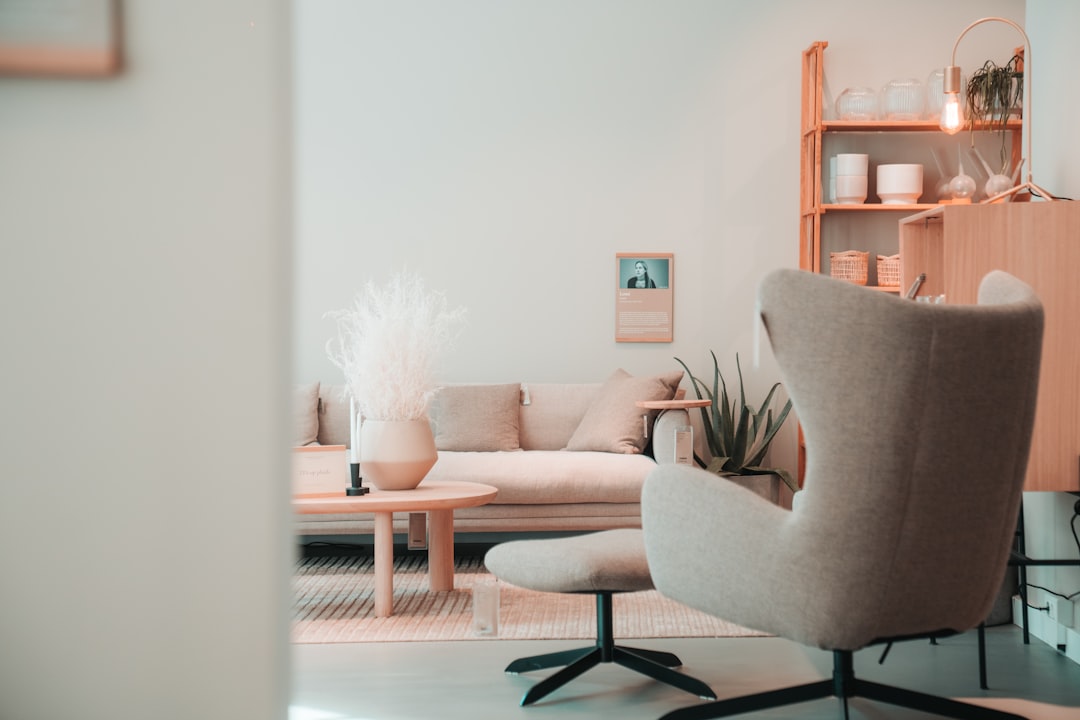
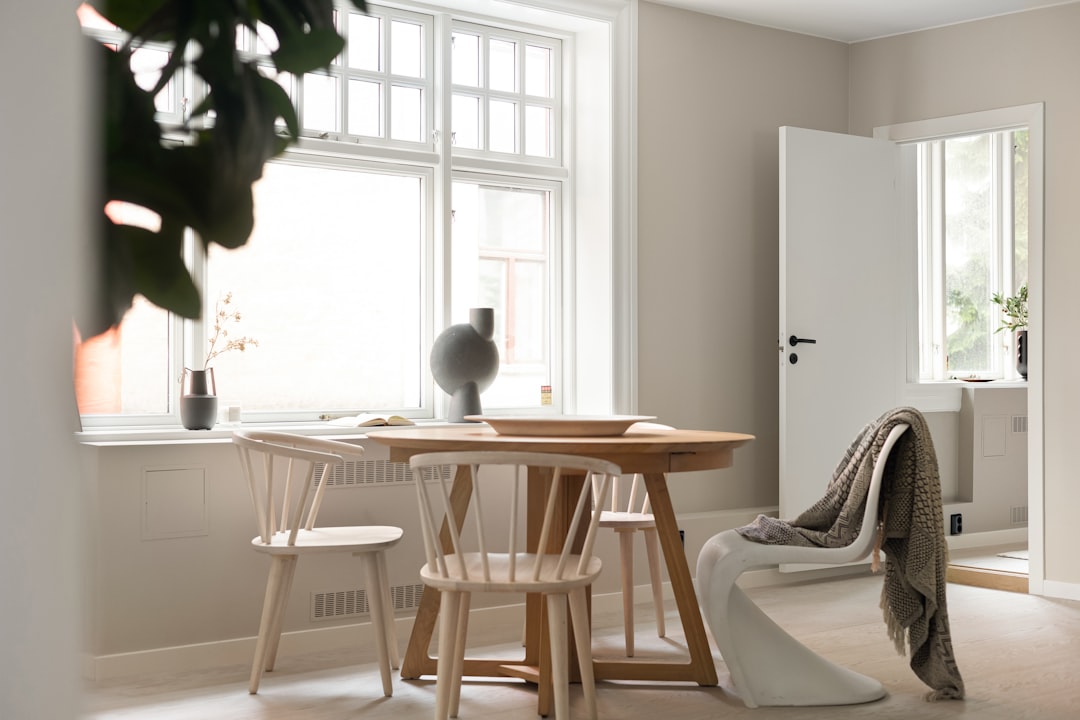
Walking into a showroom, you’ll often find rugs laid out flat — which doesn’t help much when you’re picturing them in your own space. At Megafurniture’s Joo Seng and Tampines locations, they’ve taken a different approach: each rug is displayed in a curated setup that mimics a 12 sqm HDB master bedroom. It’s a small but significant detail that lets you see how the piece will look and feel in a room your size, not a cavernous display area.
The setups aren’t just about aesthetics; they’re designed with practicality in mind. Staff can advise on humidity-specific care — a must in Singapore’s climate, where moisture can warp fibres or encourage mould. They’ll also guide you on pairing rugs with other Scandinavian living room furniture, whether you’re leaning towards light oak side tables or neutral-toned sofas. It’s a level of detail that’s hard to get right when shopping online.
What stands out is how the showrooms tap into the hygge trend, which has taken off on Pinterest and Instagram. The designs aren’t just functional; they’re warm, inviting, and tailored to create cosy spaces. Think muted blues and sage greens paired with soft greys — colours that work well in Singapore’s compact homes without overwhelming the room.
For design-conscious homeowners, it’s a chance to see how Scandinavian rugs can anchor a space. You’ll notice how the clean lines and minimalist patterns complement other furniture pieces, creating a cohesive look that’s both modern and timeless. And if you’re unsure about sizing or placement, that’s where the showroom’s setups really shine — they’re built to answer questions you didn’t even know you had.
Most buyers don’t realise that free delivery in Singapore often comes with a catch — especially for condos, where access can be tricky. Scandinavian rug retailers typically offer white-glove service for these units, ensuring the piece arrives without scuffs or snags. For HDB flats, delivery is straightforward, though it’s worth confirming lift access if you’re on a higher floor. Either way, you’ll rarely need assembly; these rugs are ready to roll out the moment they arrive.
Warranty is where things get interesting. Look for a minimum of two years against fraying and fading — a must in Singapore’s humid climate. Some brands go further, covering wear from high-traffic areas like living rooms or hallways. It’s a small detail, but one that separates quality rugs from the rest. After all, nobody wants to replace a $1,200 rug after a year because the edges started unraveling.
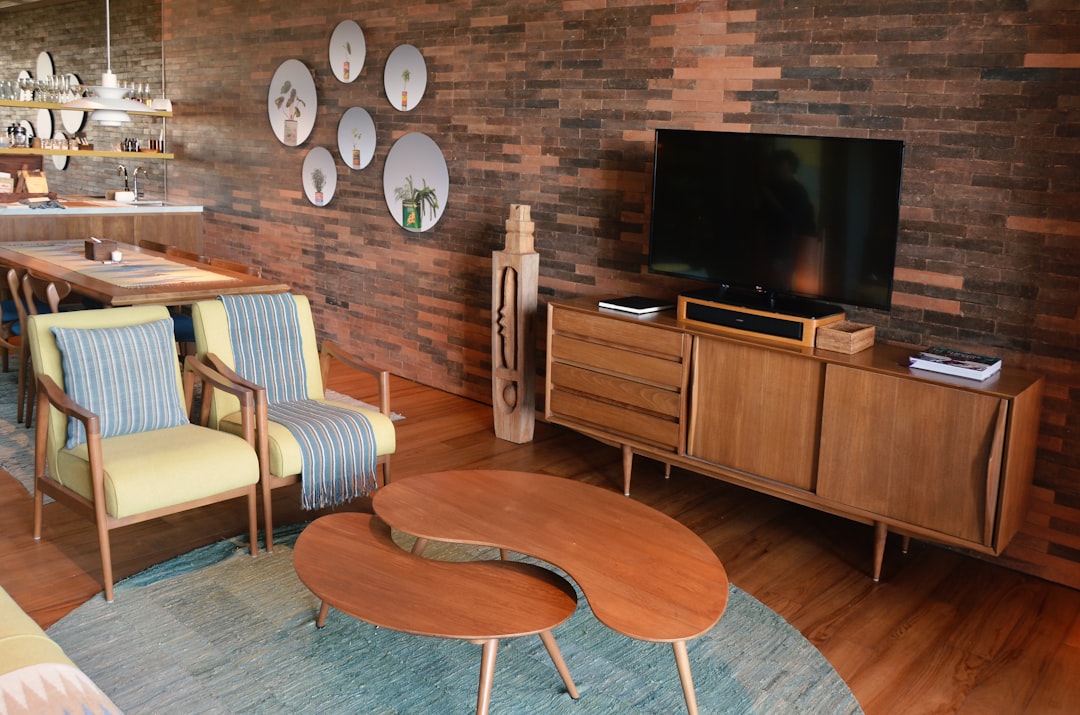
Placement advice is where Scandinavian rugs truly shine, especially in HDB layouts. A 2m x 3m rug can anchor a living room sofa set, while a smaller 1.5m round rug works wonders under a coffee table. Many homeowners overlook this, ending up with rugs that either dominate the space or get lost in it. Pro tip: leave about 30cm of flooring visible around the edges — it’ll make the room feel larger and more balanced.
Condos, with their open-plan layouts, offer more flexibility. Here, larger rugs can define zones — say, separating the dining area from the lounge. Just don’t go overboard; Scandinavian design thrives on simplicity. A rug that’s too busy or oversized can disrupt the clean lines and neutral palette that define the aesthetic. Keep it minimal, and let the rug complement rather than compete with the rest of the room.
Setting a budget is crucial when purchasing Scandinavian rugs. Consider factors like material quality, craftsmanship, and size to align with your spending limit. Scandinavian designs often feature natural fibers like wool or cotton, which can vary in price. Planning ensures you find a rug that balances affordability with timeless Nordic aesthetics.
Scandinavian rugs emphasize minimalism, functionality, and natural elements. Opt for neutral tones, geometric patterns, or subtle textures to complement Nordic furniture. The style should harmonize with your living room’s overall theme, creating a cohesive and serene atmosphere. Choose designs that reflect simplicity and elegance.
Selecting the right rug size is essential for Scandinavian living spaces. Measure your seating area to ensure the rug fits proportionally under furniture legs. A well-sized rug anchors the room without overwhelming the minimalist aesthetic. Balance functionality with visual appeal to enhance the space’s openness.
Can a rug withstand Singapore’s humidity? Absolutely — but it’s all about the treatment. Natural fibres like wool need a dehumidifier nearby, while synthetic options like nylon handle moisture better. Most Scandinavian rugs, with their muted tones and minimalist designs, are treated to resist mould — just keep them away from damp corners in bathrooms or kitchens.
What’s the right size for a 3-room BTO living room? A 1.8m x 2.6m rug fits snugly under a standard sofa set, leaving enough floor space to balance the room’s proportions. Smaller rugs can feel lost in the layout, while oversized ones overwhelm the space — especially in HDB flats where every square metre counts.
Are there pet-friendly options? Polypropylene blends are a lifesaver for households with cats or dogs. They resist stains and odours, and their durable weave holds up against claws. Look for rugs in soft greys or muted blues — they hide pet hair better than whites or creams, though lighter shades still give that hygge vibe.
How do I maintain a rug in Singapore? Vacuum weekly to keep dust and sand at bay, and rotate the rug every few months to prevent uneven wear. Professional cleaning every six months is a good idea, especially for high-traffic areas like the living room. Spot cleaning spills immediately helps avoid permanent marks — a lesson many Singaporean homeowners learn the hard way.
In a 12 sqm HDB master bedroom, a rug that’s even 10cm too wide can throw off the entire layout — leaving no space for nightstands or wardrobe doors. Start by measuring your room against the HDB floor plan, then subtract 30cm from each wall to ensure the rug doesn’t crowd the space. For living rooms, the border rule still applies, but factor in sofa legs and coffee tables; a rug that stops short of the furniture can make the space feel disjointed.
Colour matching is trickier than it seems — Nordic designs favour light wood tones like oak and ash, but rugs with stark whites or greys can clash if the undertones don’t align. Look for muted blues, sage greens, or soft beiges that complement rather than compete. Texture matters too; a flatweave rug might look sleek in photos, but it won’t hold up to daily foot traffic or pet claws. Wool blends are durable, but they’ll need regular vacuuming to keep shedding at bay.
Pets add another layer to the decision — if your dog or cat favours certain spots, opt for darker tones or patterns that camouflage wear. High-traffic areas like hallways or kitchens demand rugs with a low pile; anything thicker will trap crumbs and fur. Before committing, visit showrooms like IKEA or FortyTwo to test textures underfoot — what feels luxurious in the store might feel impractical at home.
Timing is everything. Ordering online might save you a trip, but returns can be a hassle if the rug arrives and doesn’t fit. Measure twice, buy once — and don’t skip the tape measure.
" width="100%" height="480">Scandinavian rug purchase readiness: budget, style, and sizeScandinavian rug placement: maximizing light and space in BTO flats